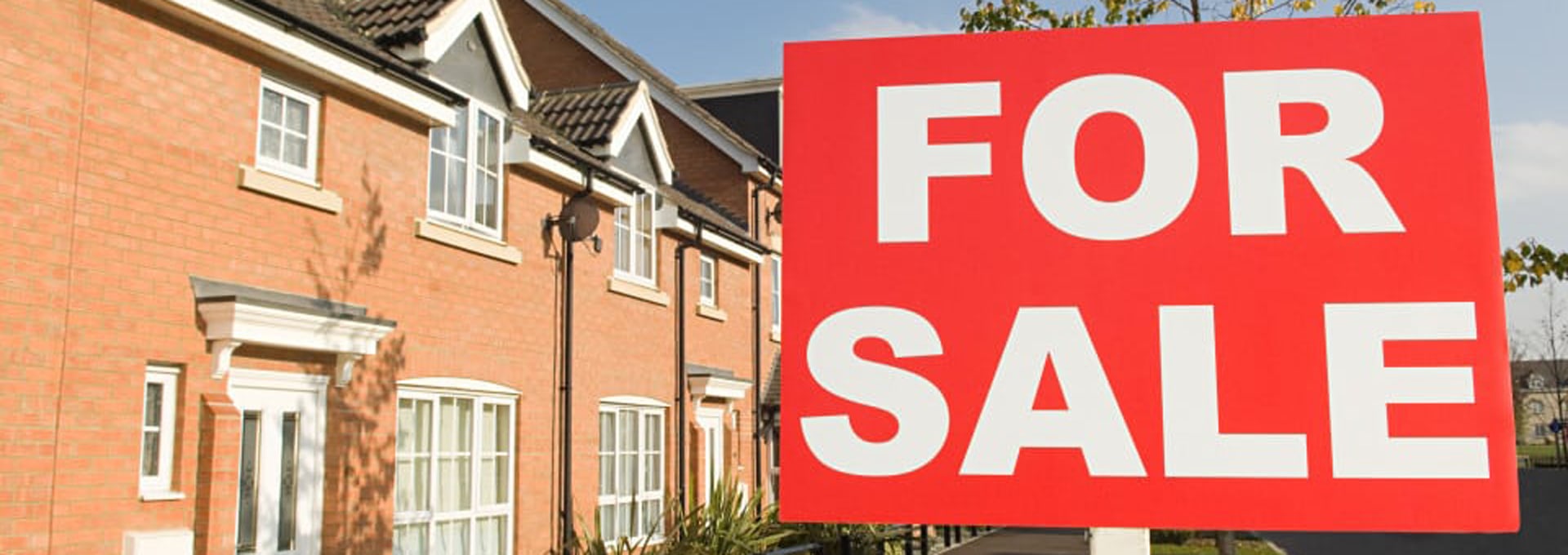
Are you making the most of your allowances from your residential property income?
If you receive income from letting a room in your property or renting out another property permanently or as a holiday let, there are various reliefs and allowances that can be applied to your income to reduce your tax bill.
Neil Gayton, manager at our King’s Lynn office, examines the reliefs and allowances that you may need to consider when completing your tax return.
The Rent a Room Scheme
The Rent a Room Scheme lets you earn up to a threshold of £7,500 per year tax-free from letting out furnished accommodation in your home. This is halved if you share the income with your partner or someone else.
You can let out as much of your home as you want. The tax exemption is automatic if you earn less than £7,500. If you earn more than this you must complete a tax return, you can then opt into the scheme at any time if you are a resident landlord or run a bed and breakfast or guest house and claim your tax-free allowance on your tax return.
You can choose not to opt into the scheme and instead record your income and expenses on the property pages of your tax return.
You cannot use the scheme for homes converted into separate flats.
Property Income Allowance
If you are a landlord earning rental income from your property you can get up to £1,000 rental income tax-free each year from Property Income Allowance.
If you earn less than £1,000 from rental income, you don’t need to do anything. However, if you claim the Property Income Allowance, you cannot claim any other rental expenses.
If you own a property jointly with others (spouses, civil partners, etc.), you can each claim this £1,000 allowance – even though you divide the rental income between yourselves.
If you’re renting out a buy-to-let or a second property, usually your expenses are higher than £1,000 a year, so only use this allowance if you can’t find your receipts or if in one year you somehow have just a few expenses.
Residential Finance Costs
Relief for finance costs on residential properties is restricted to the basic rate of Income Tax. Finance costs include mortgage interest, interest on loans to buy furnishings and fees incurred when taking out or repaying mortgages or loans. No relief is available for capital repayments of a mortgage or loan.
When completing a tax return for income from a residential property it is possible to bring forward losses from previous years.
There are many things to consider when using a residential property for income purposes. At Stephenson Smart we are experts in helping people fully understand their liabilities. Please get in touch if we can help you.
Related articles: Furnished Holiday Lettings

Why not share online
More Insights from Stephenson Smart

13th June 2024
Fundraising for PAPYRUS charity in memory of Marina
In memory of our colleague and friend, Marina Watters, we have chosen PAPYRUS charity as our Charity of the Year for 2024. Marina worked at the Fakenham office as an accountant, supporting many local businesses, groups and individuals with their ...

6th July 2021
Chris Goad: Repayment of Bounce Back Loans
Chris Goads BSc FCA, partner at Stephenson Smart’s Wisbech, March and Downham Market offices, assesses the impact that Bounce Back Loan repayments might have on businesses and what options there might be to help with making the repayments. What is ...

24th March 2022
Spring Statement response by Kayleigh Wilson of Stephenson Smart
Spring Statement Against a backdrop of rising inflation, Chancellor Rishi Sunak presented his first Spring Statement on Wednesday 23 March 2022. The Chancellor announced a cut in fuel duty for petrol and diesel as he sought to ease the impact ...


9th September 2021
Tax Changes – Plan for Health and Social Care
Henry Pettitt, Partner at Stephenson Smart in Great Yarmouth, explains how the Government’s tax changes and new plan for supporting the UK’S health and social care system will work. How will the government's tax changes from next April affect you? ...

23rd September 2021
Selling a property? Make sure you pay the capital gains tax due, and quickly!…
On the 6 April 2020, the government made numerous changes to tax payable around property. The main one being a new requirement to report and pay capital gains tax on disposals of UK residential property 30 days after the completion ...